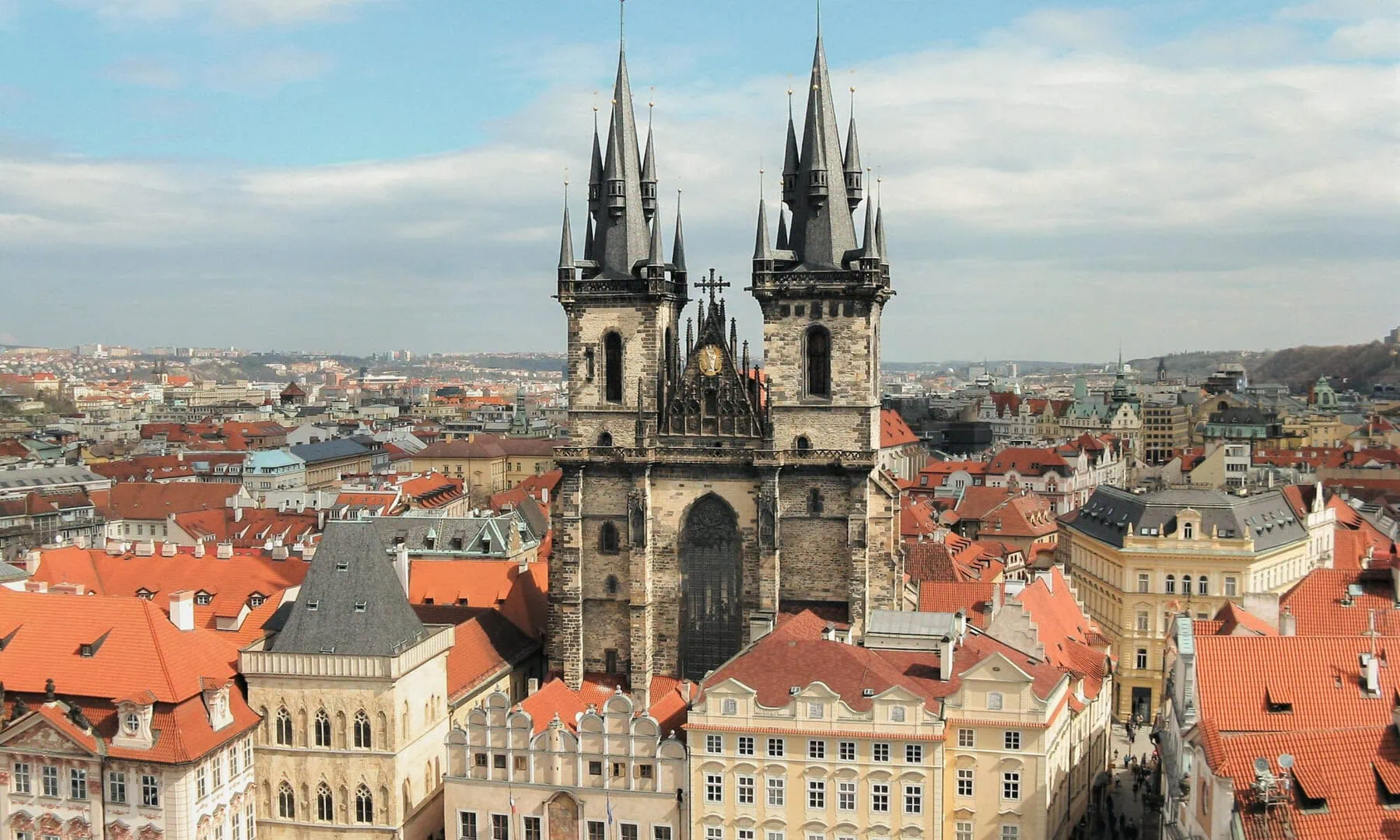
Gothic architecture, with its pointed arches, rib vaults, and soaring flying buttresses, has been shaping Europe’s skylines since the Middle Ages. Born in 12th-century France, it spread across the continent, inspiring cathedrals, castles, and civic buildings that still leave visitors awestruck. Today, travellers seek out these marvels for their grandeur, artistry, and the stories they tell. Whether purely medieval or revived in later centuries, Europe’s Gothic treasures invite you to step into history – where stone meets sky in a symphony of craftsmanship and imagination.
Budapest: Europe’s Neo‑Gothic City
Budapest wears its Gothic heart proudly, blending medieval inspiration with 19th-century revivalist splendour. The city’s skyline is punctuated with spires, turrets, and stone tracery that echo the grandeur of Europe’s Gothic golden age.
1. The Parliament Building’s iconic neo‑Gothic architecture
Hungary’s Parliament Building is a masterpiece of symmetry and detail, crowned by a vast central dome and surrounded by spires and flying buttresses. Its façade holds over 690 rooms, 242 sculptures, and luminous stained-glass windows. Inspired by London’s Palace of Westminster but enriched with Hungarian motifs – such as statues of national rulers and saints – it stands as a monumental celebration of national pride.
2. Matthias Church, Buda Castle District
With its elegant spire, colourful Zsolnay tile roof, and ornate arched doorways, Matthias Church is a feast for the eyes. Inside, ribbed vaults, rose windows, and vivid frescoes create a lavish Gothic interior that has hosted many royal coronations.
3. Fisherman’s Bastion (Halászbástya)
Built between 1895 and 1902, this Neo-Gothic and Neo-Romanesque terrace is less a fortress than a fairytale vision. Pointed towers, graceful colonnades, and a statue of St. Stephen frame sweeping views of the Danube, Pest, and the Parliament.
4. Vajdahunyad Castle
Erected for the 1896 Millennium Exhibition, this whimsical castle in City Park combines several styles. Its Gothic wing, inspired by Transylvania’s Corvin Castle, boasts arched windows, ribbed vaulting, and finely carved stonework. Discover Budapest with Verdi Budapest Aquincum.
Malta: Medieval Gothic
Malta’s Gothic heritage blends medieval fortifications with church architecture shaped by centuries of history. While many landmarks feature Baroque or Renaissance facades, echoes of Gothic design still whisper through the island’s oldest stones.
1. Mdina Cathedral Museum and surroundings
While St. Paul’s Cathedral itself leans Baroque, the museum and surrounding lanes preserve Gothic and medieval elements – pointed arches, ribbed vaults, and traces of stone tracery from earlier structures.
2. Chapel of St. Agatha
A small but significant treasure, this chapel’s medieval origins shine through in its pointed arch windows and buttress-like supports. Though rebuilt, it retains the atmosphere of Malta’s early sacred spaces.
3. Our Lady of Lourdes Chapel
Overlooking Mgarr Harbour in Gozo, this petite 19th-century Neo-Gothic chapel charms visitors with stained glass, pointed arches, and a steep roofline – perfectly placed against the island’s serene backdrop. Explore Malta’s historic gems and plan your stay at Verdi St George’s Bay Marina.
Portugal: Portuguese Gothic – Renaissance Fusion
1. Batalha Monastery (Mosteiro da Batalha)
A triumph of Gothic engineering, this UNESCO site showcases soaring arches, flying buttresses, and filigree stonework. The Founder’s Chapel and Unfinished Chapels reveal Gothic ornamentation at its most elaborate.
2. Jerónimos Monastery (Mosteiro dos Jerónimos), Lisbon
While famed for its Manueline flourishes, Jerónimos also features ribbed vaults, pointed arches, and cloisters that embody late Gothic grace. Built to honour Vasco da Gama’s voyage, it blends history with architectural poetry.
3. Sé Cathedral of Évora (Catedral de Évora)
Portugal’s oldest cathedral boasts a Gothic main portal, rose window, vaulted nave, and cloister, all steeped in medieval craftsmanship.
4. Santa Clara-a-Velha Monastery, Coimbra
Founded in the 14th century by Queen Elizabeth of Portugal, these restored ruins display Gothic arches and cloisters that whisper of monastic life along the Mondego River.
Discover Europe’s Gothic Architectural Gems
From the stately halls of Budapest’s Parliament to the quiet chapels of Malta and Portugal’s cloistered monasteries, Gothic architecture invites you into a world where every arch tells a story. Whether you’re drawn to soaring cathedrals, fairy‑tale castles, or atmospheric ruins, each destination offers a unique chapter of Europe’s architectural heritage. Plan your journey with Verdi Hotels.