Step back into a time when Budapest was part of the Roman Empire, and discover the echoes of Aquincum – once a thriving city of soldiers, merchants, and mosaic-makers. Tucked into the Óbuda district of modern Budapest, Aquincum offers a rare and rewarding glimpse into Hungary’s Roman past. This self-guided walking tour lets you shape your own journey through well-preserved ruins, from grand amphitheatres to intricate mosaics. Whether you’re a history buff or simply curious, this 2-hour stroll through time is an unmissable chapter in your Budapest adventure.
The Aquincum Museum: Your Starting Point
Before you step into the open-air ruins, begin at the Aquincum Museum. Inside, you’ll find evocative artefacts – statues, jewellery, tools, and beautifully reconstructed models—that bring the ancient city to life. The museum lays a solid foundation for your walk, offering stories and context that deepen your experience outside. From a reconstructed water-organ to the layout of the civilian town, it’s your gateway to understanding Roman Aquincum.
By getting to know the city’s layout and daily life indoors, the ruins you’ll soon walk through will feel much more vivid. You’re not just seeing stone foundations – you’re stepping into a once-bustling city that shaped the roots of Budapest’s story.
5 Key Sites on Your 2-Hour Walking Tour
1. Civilian Amphitheatre
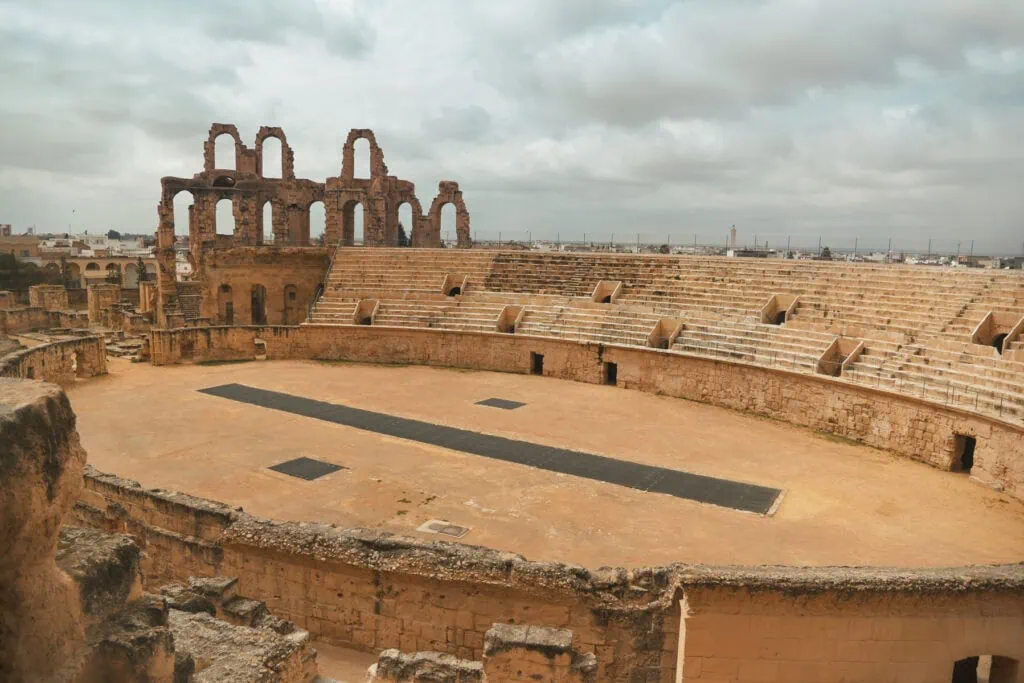
Used for public gatherings and performances, this space once echoed with voices and applause. Though smaller than the military amphitheatre nearby, its purpose was rich in civic pride and entertainment.
2. Public Baths (Thermae Maiores)
The remains of these grand baths reveal much about Roman rituals of cleanliness, relaxation, and socialising. Notice the heating systems, the layout of hot and cold rooms, and the ingenious flow of water – a true marvel of Roman engineering.
3. Residential Houses
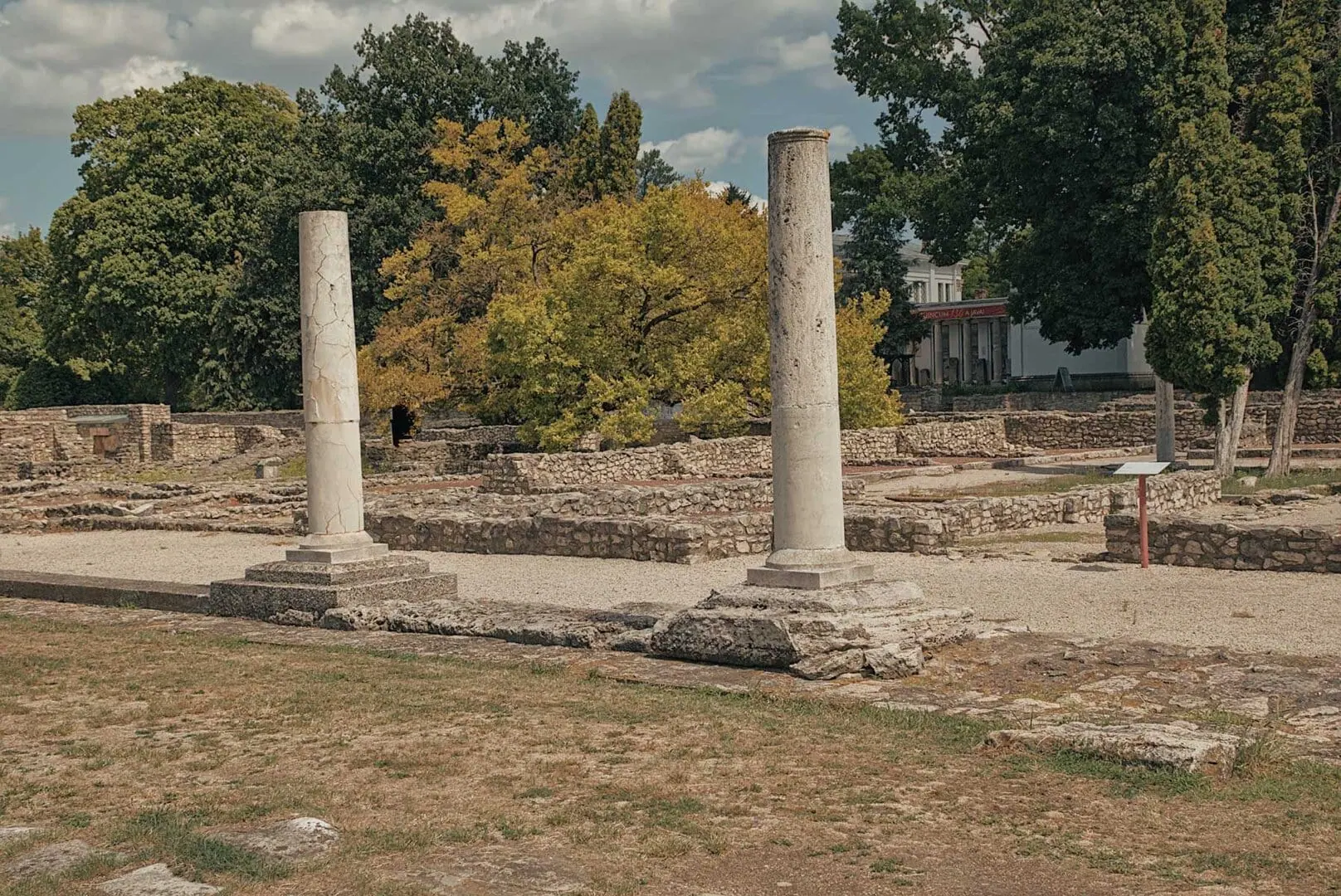
Wander through the outlines of Roman homes where mosaic floors still peek through. These were lived-in spaces that reflect the daily rhythms of Roman life – from sleeping quarters to gardened courtyards.
4. Mithraeum
This mysterious underground temple was dedicated to Mithras, a Persian deity worshipped by Roman soldiers. A shadowy, sacred space, it’s one of the more spiritual corners of the site, hinting at the private faith of Aquincum’s inhabitants.
5. Forum and Basilica
The social and political heart of Aquincum. Here, citizens gathered for trade, legal affairs, and civic announcements. It was the centre of Roman order and economy – and now, your final stop on the core walking route.
Beyond the Main Ruins: Hidden Gems and Local Insights
Aquincum has its headline attractions – but the magic often lies in the quiet corners. Look closely and you’ll find smaller altars, dedicatory inscriptions, and statues tucked between the stones. You may even spot the weathered remains of the Roman aqueduct that once delivered water across the city.
Even beyond Aquincum itself, the Roman thread runs through Budapest – layered under streets, emerging in unexpected places. Locals will often point you toward a remnant hidden in plain sight. That blend of old and new is one of Budapest’s quiet joys.
Making the Most of Your Aquincum Visit – Your Way
This self-guided walking tour is all yours – move at your own pace, skip what doesn’t spark your interest, and linger where it does. That’s the joy of doing it your way.
Getting there: Take the HÉV suburban railway (line H5) from Verdi Budapest Aquincum (two-minute walk from the hotel) and hop off at “Aquincum” station. From there, it’s a short walk to the museum.
Best time to visit Aquincum: Spring and early autumn are ideal – mild weather, fewer crowds, and the ruins catch the light beautifully. Try mornings for quieter paths and a more meditative experience.
What to bring: Comfortable shoes, a water bottle, sun protection, and your curiosity.
Want to go deeper? While this is a self-guided experience, the Aquincum Museum also offers guided tours for those who want more in-depth storytelling.
Staying nearby? Verdi Hotels is just minutes away from the site. Here, we invite you to live like a local and take part in the rhythm of the neighbourhood and explore our Budapest hotel.