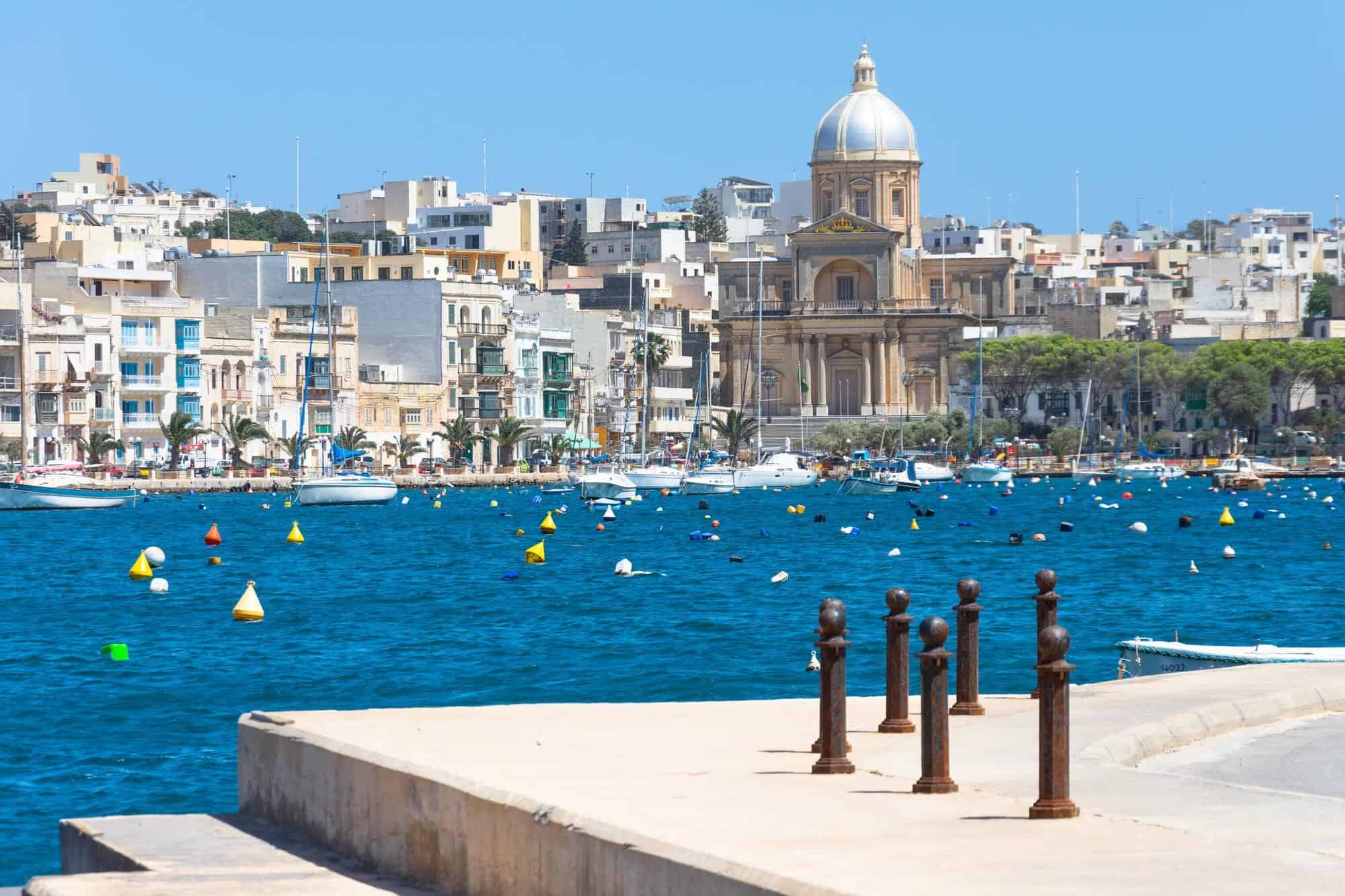
Malta is a stunning year-round destination, blessed with a Mediterranean climate that promises warm, sun-drenched days in summer and mild winters, perfect for exploring.
The best time to visit Malta depends on what you’re after each season offers unique experiences, from lively festivals and beach days to quiet historic sightseeing and cosy local gatherings.
In this guide, we’ll walk you through Malta’s seasons, highlighting the best times for beach lovers, festival-goers, and history enthusiasts alike. No matter when you visit, Malta’s charm is guaranteed to make your trip unforgettable.
Spring (March to May): Mild Weather and Blooming Scenery
Spring, from March to May, is an ideal time to experience Malta’s enchanting beauty under mild, pleasant weather. This season’s warm temperatures create the perfect setting for outdoor activities, making it arguably the best month to visit Malta. Average temperatures hover around 15-20°C, providing a comfortable climate for exploring historic sites, scenic coastal walks, and leisurely afternoons in charming towns.
One of the season’s highlights is the Malta International Fireworks Festival in April. This spectacular event draws visitors from all over to enjoy Malta’s sky illuminated with vibrant firework displays over the Grand Harbour. It’s an unforgettable way to experience Malta’s lively spirit and cultural pride.
Spring also brings out the island’s natural beauty, with landscapes coming alive in full bloom. Valleys, hillsides, and countryside paths burst with wildflowers, making it a dream for nature enthusiasts and photographers. This is the perfect time for hiking, as well as discovering Malta’s more secluded spots, offering both peace and vivid scenery.
Spring’s mild weather is perfect for outdoor adventures. Hike along the breathtaking Dingli Cliffs, offering sweeping views of the Mediterranean, or explore quaint towns like Mdina, Malta’s historic “Silent City,” where ancient streets and stunning architecture await. Spring’s blooming landscapes make these experiences even more picturesque.
Planning a trip around this season allows you to experience Malta like a local while avoiding the high summer crowds. For more inspiration, check out this guide to travel to Malta and live like a local for tips on enjoying the island authentically during your stay.
Summer (June to August): Beach Season and Vibrant Festivals
Summer in Malta, from June to August, is the height of the beach season, with warm temperatures and sun-drenched days drawing travellers from around the globe. This is the best time to visit Malta if you’re after golden beaches, crystal-clear waters, and a vibrant, festive atmosphere. With average temperatures around 28-32°C, summer days are perfect for lounging on the beach, swimming, and trying water sports like diving or jet-skiing.
For beach lovers, Malta’s summer season promises beautiful shorelines. Popular spots like local beaches of Għajn Tuffieħa, Golden Bay, and St. Peter’s Pool provide diverse beach settings, from sandy stretches to rugged coves, perfect for a day of sun, sand, and swimming.
Malta’s summer calendar is packed with lively events that add to the island’s infectious energy. The Isle of MTV Malta in July is a huge draw, attracting major international artists and thousands of music fans to the island for an unforgettable concert experience. For jazz lovers, the Malta Jazz Festival in July brings together top jazz musicians from around the world, offering open-air performances with stunning harbour views.
Keep in mind that summer is Malta’s busiest season, with bustling beaches and vibrant nightlife, making it perfect for group trips and reunions. If you’re planning to visit with friends or family, explore group booking options for easy arrangements during this popular season.
Despite the crowds, Malta’s summer season promises excitement, beauty, and endless activities for everyone. Whether you’re here for the beaches or the festivals, you’ll find Malta buzzing with unforgettable experiences.
Autumn (September to November): Fewer Crowds and Warm Weather
Autumn in Malta, from September to November, offers a perfect blend of warm weather and fewer crowds, making it the best time to go to Malta for travellers who prefer a quieter, more relaxed experience. With temperatures ranging between 20-28°C, the days are still pleasant for beach outings and outdoor activities, but without the summer rush. The Mediterranean Sea also retains its warmth from the summer months, so you can enjoy peaceful swims, snorkelling, and sunbathing on less crowded shores.
One of the highlights of autumn is BirguFest in October. This special event transforms the historic city of Birgu (Vittoriosa) into a captivating scene, illuminated solely by candlelight. Wandering through narrow streets lit by thousands of candles is an unforgettable way to experience Malta’s rich cultural heritage.
Autumn is the season of Malta’s grape harvest, making it an ideal time for wine enthusiasts. Enjoy wine-tasting at local vineyards such as Ta’ Mena, where you can savour locally produced wines and learn about the island’s winemaking traditions amidst scenic landscapes.
As the island winds down from its summer peak, autumn in Malta brings a quieter yet still vibrant atmosphere, with mild weather, beautiful sunsets, and authentic local experiences. This season offers a unique chance to enjoy the island’s beauty and culture at a relaxed pace, making it ideal for those looking to discover Malta’s treasures in a tranquil setting.
Winter (December to February): Off-Peak Charm and Festivities
Winter in Malta is the best month to visit Malta, from December to February, offers a charming off-peak experience with mild weather and a peaceful atmosphere. With temperatures averaging between 10-15°C, Malta’s winter is far from chilly, making it ideal for exploring cultural sites, wandering ancient streets, and enjoying scenic coastal views without the crowds.
Winter in Malta may be quiet, but it’s full of cultural warmth. On cooler days, explore indoor gems like St. John’s Co-Cathedral, with its stunning baroque art and architecture. Don’t miss the local winter treat Imbuljuta tal-Qastan, a cosy chestnut and cocoa drink that adds a touch of sweetness to Malta’s mild winter season
Malta’s winter season also brings festive cheer, with vibrant Christmas markets in Valletta that fill the capital with lights, music, and holiday warmth. February brings the Malta Carnival, a lively, colourful celebration filled with parades, costumes, and traditional performances—a great way to experience local culture in the winter.
Winter is also a fantastic time for budget-friendly travel in Malta, as accommodations and flights are often more affordable. For those interested in discovering the island’s quiet beauty, winter offers a tranquil and accessible way to explore and sightsee without the crowds. If you’re looking for things to do in Malta in January and February, from cultural tours to cosy cafes, there’s still plenty to enjoy. And for those interested in holiday festivities, you can also enjoy Malta at Christmas with decorations and events that fill the season with joy.
Winter in Malta is the best month to visit Malta for a slower-paced, yet enriching experience—perfect for those seeking culture, beauty, and a touch of holiday magic.
Each season in Malta offers something special: Spring brings mild weather and blooming landscapes, Summer is perfect for beach lovers and festival-goers, Autumn offers warm seas with fewer crowds, and Winter reveals Malta’s cultural charm with festive events. The best time to visit Malta truly depends on your preferences—whether you’re drawn to sunny shores, cultural festivals, or peaceful sightseeing. Whenever you choose to visit, you’ll find Malta’s beauty and hospitality ready to welcome you.
Book a stay at Verdi Hotels in Malta for a comfortable and memorable experience in any season.