Table of Contents
Shopping in Budapest is unusually good value for a European capital, and unusually varied for a city this compact: designer flagships on Andrássy Avenue, four hundred shops under one roof at WestEnd, hand-stitched linen and paprika in a nineteenth-century market hall, and a flea market on the edge of town where people still haggle. From elegant avenues to buzzing markets, Budapest is a shopping destination where tradition meets trend. Explore grand boulevards lined with designer labels, delve into local markets for handmade treasures, or stroll contemporary fashion streets. With its architectural charm, variety of experiences, and attractive pricing, Budapest offers something for every kind of shopper.
This guide covers where to go by type of shopping, what is actually worth buying, when the shops are open, and how non-EU visitors claim back Hungary’s 27% VAT — the highest rate in the European Union, and the largest potential refund anywhere in it. For everything else the city does well, see our guide to Budapest’s highlights.
Top Shopping Streets in Budapest
Váci utca
Start your style journey on Váci Utca, where international brands and charming boutiques line a pedestrianised promenade in the city centre. It runs from Vörösmarty Square down towards the Central Market Hall, so it works well as the spine of a shopping day — start at the top, finish at the market. Note the Hungarian spelling: utca means street and stays lowercase, so it is Váci utca rather than Váci Utca.
Andrássy Avenue
A short stroll away, Andrássy Avenue impresses with tree-lined grandeur and houses iconic fashion houses like Gucci, Louis Vuitton, and more. This is also Budapest’s luxury strip — the city’s answer to the Champs-Élysées, with Gucci, Prada and Louis Vuitton set against nineteenth-century façades. Visit during end-of-season sales for the best finds, and ask about VAT refunds before you pay rather than after. The avenue is a UNESCO World Heritage site in its own right, so it rewards a walk even if you buy nothing — our guide to free walking tours in Budapest covers routes that take it in.
Fashion Street
For a modern, curated shopping experience, head to Fashion Street where flagship stores meet sleek design and cosmopolitan vibes. Whether you’re window-shopping or indulging, these streets are quintessential Budapest: stylish, vibrant, and full of surprises.
Budapest Shopping Centres and Malls
In need of retail therapy under one roof? Budapest’s malls are all on the metro or tram network and all open seven days a week, which makes them the reliable option on a Sunday when much of the high street is shut. They are also the obvious fallback in bad weather — see our indoor things to do in Budapest for the rest.
WestEnd City Center
Begin at WestEnd City Center, Budapest’s largest mall with over 400 shops, restaurants, and entertainment options. It sits directly beside Nyugati railway station in District VI, which makes it the easiest of the three to reach from almost anywhere in the city.
Arena Mall
Arena Mall boasts a strong mix of local and international fashion brands, ideal for one-stop fashion fixes. It is in District XIV on the M2 metro at Puskás Aréna, and tends to be quieter than WestEnd at weekends.
Allee Mall
Over in Újbuda, Allee Mall balances shopping with family-friendly flair, offering modern retail, a cinema, and excellent dining—all accessible by tram or metro. Each mall combines style, convenience, and plenty of options for all tastes. It is on the Buda side at Móricz Zsigmond körtér, and the best of the three if you want shopping and a meal without crossing back into Pest.
Authentic Local Markets and Vintage Shops
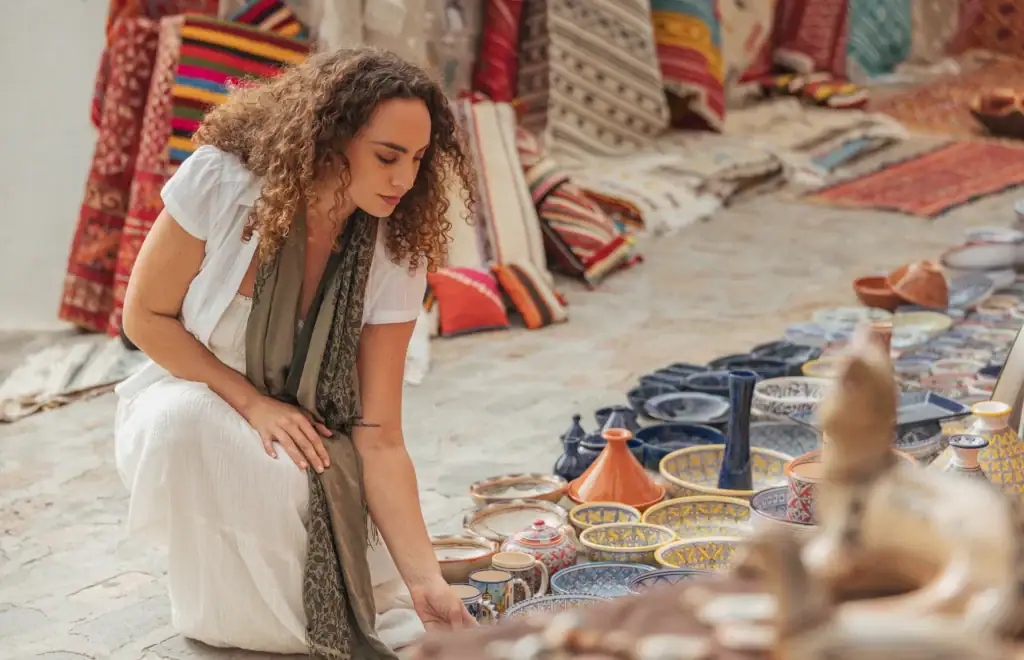
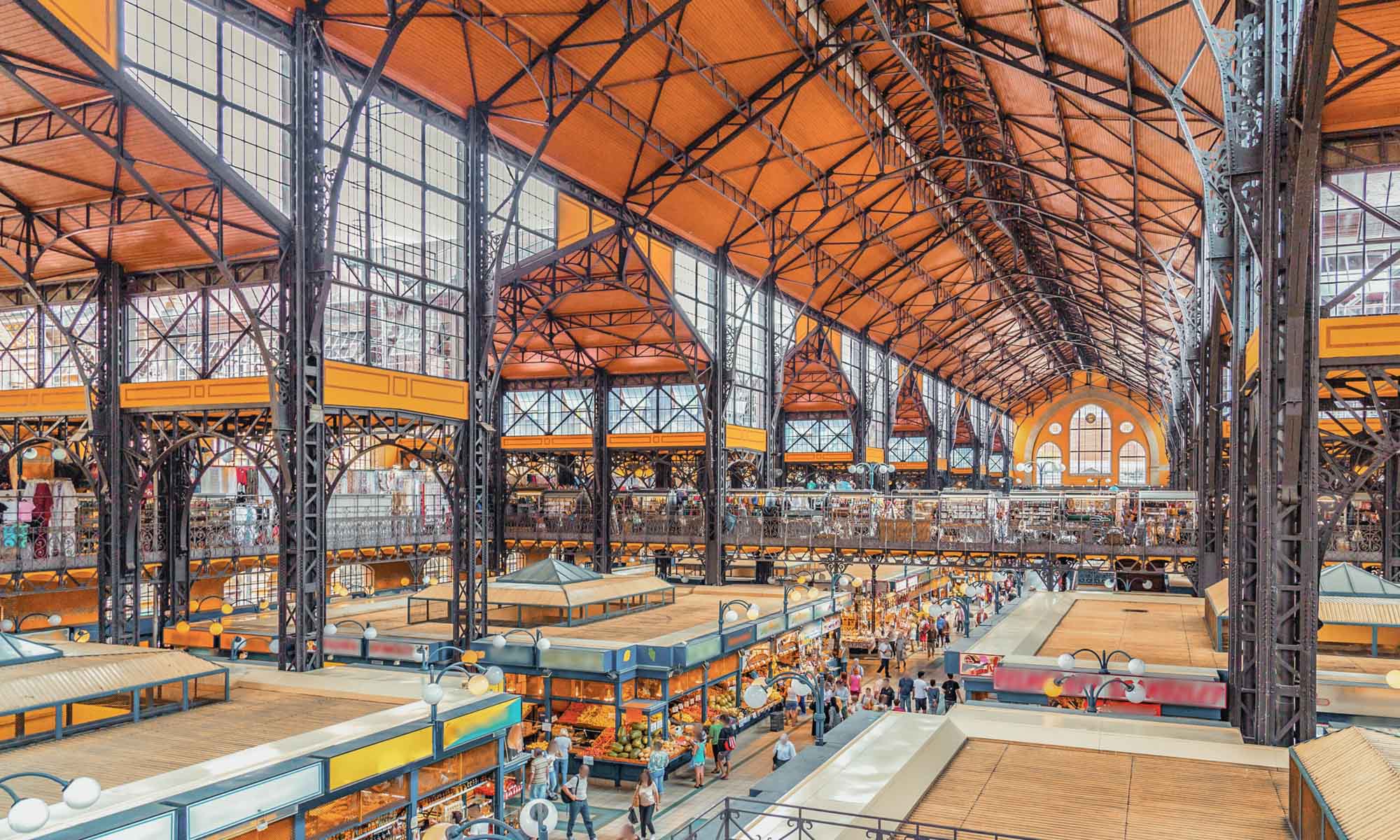
Budapest’s markets tell stories in colour, scent, and texture. At the Central Market Hall, discover local paprika, pálinka, and embroidered crafts under a magnificent roof. The Ecseri Flea Market is a vintage hunter’s paradise, brimming with antiques, curiosities, and charm. For a quirky twist on fashion, Szputnyik Shop mixes retro with rebellion. Pro tip: go early, bring cash, and be ready to bargain.
Timing matters more at the markets than anywhere else in this guide. The Central Market Hall is best on a weekday morning, when every stall is stocked and the upstairs craft floor is not shoulder-to-shoulder with tour groups. Ecseri is a Saturday-morning market in practice — it opens at 6am and the serious dealers and the serious buyers are both there before eight. Szputnyik sits in District VII, the same quarter as the ruin bars, so vintage browsing and a drink afterwards is an easy afternoon. If the market halls leave you hungry, our pick of Budapest’s best steak restaurants covers dinner.
Outlet Shopping in Budapest
Want premium brands at a friendlier price? Premier Outlet Budapest is your go-to. Located just outside the city, it features favourites like Nike, Hugo Boss, and Tommy Hilfiger at discount prices. With regular shuttle buses from the city and weekday sales, it’s a smart stop for savvy fashionistas. It is at Biatorbágy, roughly half an hour west of the centre, so treat it as a half-day rather than something to slot between other stops. Weekdays are noticeably quieter than Saturdays.
Opening Hours, VAT Refunds and Paying
When the shops are open
Hungary scrapped its Sunday trading ban in 2016, so shops may open — but many small ones choose not to. The malls are the dependable Sunday option.
Type of shop | Mon–Fri | Saturday | Sunday |
|---|---|---|---|
Shopping malls | 10:00–21:00 | 10:00–21:00 | 10:00–18:00 or 19:00 |
High-street shops and boutiques | approx. 10:00–18:00 | approx. 10:00–14:00 | Mostly closed |
Central Market Hall | 06:00–18:00 | 06:00–15:00 | Reduced — confirm |
Ecseri Flea Market | 08:00–16:00 | 06:00–15:00 | 08:00–13:00 |
Large supermarkets | approx. 07:00–21:00 | approx. 07:00–21:00 | Reduced, often to 15:00–18:00 |
If you only have a Sunday, plan a mall and a market rather than the boutiques on Váci utca.
Claiming your VAT back
Hungary’s standard VAT rate is 27%, the highest in the European Union, which makes tax-free shopping worth more here than anywhere else in the bloc. To claim it back you need to live outside the EU and EEA, spend at least 17,500 HUF — roughly €50 — and ask for a tax-free form at the till at the time of purchase, not afterwards. The goods must leave the EU unused within three months, the form needs a customs stamp when you exit EU territory, and you then claim at an airport refund desk or by post. Flying from Budapest to another EU city does not count as leaving; the stamp has to come at your final exit point.
Paying
Hungarian Forint (HUF) is the local currency, though almost all shops accept credit cards and mobile payments. Two things to know anyway: the flea markets and smaller market stalls run on cash and will expect it, and shops that offer to charge your card in euros or your home currency are applying their own exchange rate, so choose forint. The best times to shop are the end-of-season sales in January and July, or the Christmas market season in December.
Where to Stay for a Shopping Break in Budapest
Budapest is a city where shopping becomes a cultural experience—from elegant high streets to vibrant markets. Whether you’re here for the labels, the stories, or the thrill of the find, Budapest delivers. Verdi Budapest Aquincum sits in the quiet third district, a short ride from the shopping streets of the fifth, sixth and seventh but far enough out to come back to something calmer than Váci utca at six o’clock. Our team will tell you which tram gets you there fastest. Base yourself in the heart of it all at Verdi Hotels, and step straight into the city’s style scene.
A shopping day is better with something at the end of it. Our guides to Budapest’s best thermal spas and its best rooftop bars both make good use of tired feet. Members of Verdi DISCOVERY earn rewards on every stay, and our experiences cover what to do with the days between.
Shopping in Budapest: Frequently Asked Questions
Is shopping in Budapest cheap?
Cheaper than most Western European capitals, yes. Local products such as paprika, pálinka and embroidered linen are inexpensive, and outlet prices are competitive. International designer labels cost roughly what they do elsewhere in the EU, but non-EU visitors can reclaim 27% VAT, which changes the maths considerably.
Are shops open on Sundays in Budapest?
The malls are, typically 10:00 to 18:00 or 19:00, and large supermarkets open with reduced hours. Most high-street shops and independent boutiques close. Hungary repealed its Sunday trading ban in 2016, so opening is permitted — smaller shops simply choose not to.
Can tourists claim VAT back in Hungary?
Yes, if you live outside the EU and EEA. Spend at least 17,500 HUF, about €50, in one transaction and ask for a tax-free form at the till. Get it stamped by customs as you leave EU territory, then claim at an airport desk or by post. Hungary’s 27% rate is the EU’s highest.
What should I buy in Budapest?
Paprika, Tokaji Aszú wine, pálinka and Unicum are the classic edible and drinkable buys. For something that lasts, Herend or Zsolnay porcelain and hand-embroidered linen are both genuinely Hungarian. A Rubik’s Cube is the one souvenir that was actually invented here.
What is the biggest shopping centre in Budapest?
WestEnd City Center, with more than 400 shops plus restaurants and a cinema. It sits beside Nyugati railway station in District VI, which makes it the easiest of the city’s major malls to reach on public transport from almost anywhere.
What is the main shopping street in Budapest?
Váci utca is the best-known — a pedestrianised run of international brands and boutiques through the city centre. Andrássy Avenue is the one to head for if you want designer labels, and Fashion Street sits between the two for flagship stores.