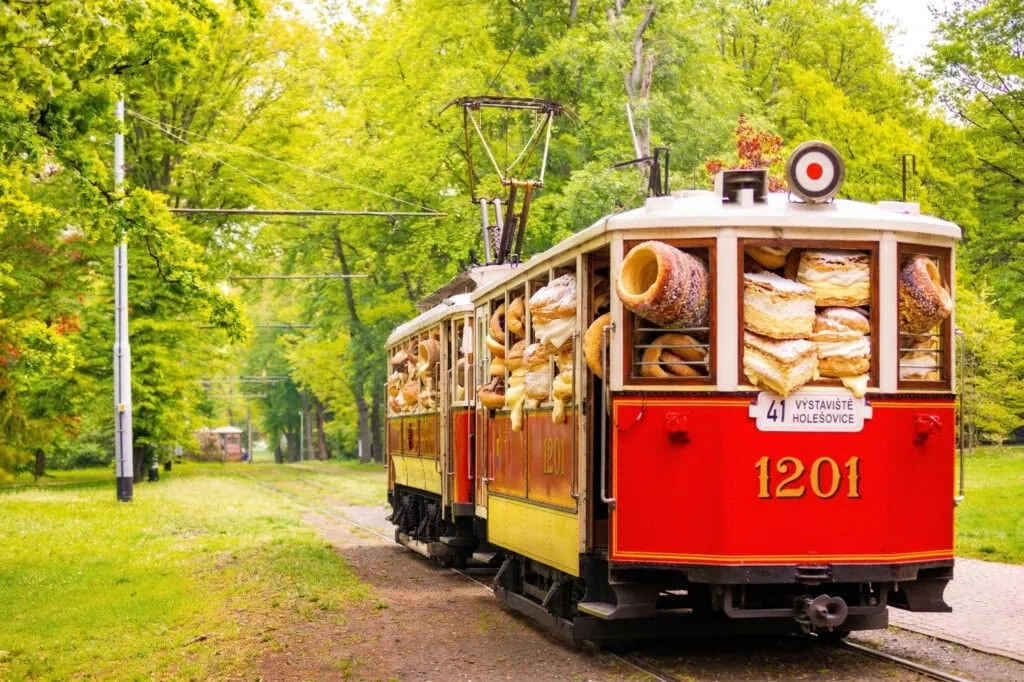
Prague and Budapest both make memorable summer city breaks. Prague offers a compact historic centre filled with towers, riverside views and inviting beer terraces, while Budapest brings together grand boulevards, thermal baths and long evenings beside the Danube.
So, when choosing Prague or Budapest, the answer depends less on which city is “better” and more on the kind of trip you want. This guide explores what each destination offers, compares the practical details and explains how you can combine Budapest and Prague in one European adventure.
With Panorama by Verdi in Prague and Verdi Budapest Aquincum in Budapest, you will also find a welcoming base in either city, or both.
How to choose between Prague or Budapest
Your choice between Prague or Budapest may come down to the pace and atmosphere you prefer.
Prague is particularly well suited to travellers looking for a compact and highly walkable break. Many of its most recognisable sights sit within or close to the historic centre, allowing you to move easily from medieval lanes to river crossings and castle viewpoints.
Budapest feels broader and more metropolitan. Its neighbourhoods stretch across both banks of the Danube, with monumental gothic architecture, lively dining districts, leafy islands and thermal baths offering different ways to experience the city.
Choose Prague when your ideal trip includes:
- A compact old town that is easy to explore on foot
- Medieval architecture, towers and castle views
- Riverside walks and traditional beer terraces
- A slightly gentler summer climate for sightseeing
Choose Budapest when you are drawn to:
- A larger, more cosmopolitan capital
- Outdoor thermal pools and spa culture
- Grand architecture and Danube cruises
- Long, warm evenings and a varied food and nightlife scene
Both cities are accessible from the UK by direct flights, making either suitable for a long weekend or a longer summer stay.
It is also worth planning for the local currency. Neither Czechia nor Hungary uses the euro. You will pay in Czech koruna in Prague and Hungarian forint in Budapest, although cards are widely accepted in hotels, restaurants and established visitor attractions.
Ultimately, whether you choose Budapest or Prague, both reward travellers who leave time to wander rather than moving quickly between a checklist of sights.
What a summer city break in Prague offers
Prague unfolds around the Vltava River, where domes, spires and terracotta rooftops create a skyline that seems to change with every turn.
A summer morning might begin in the Old Town Square before the streets become busy. From there, you can walk towards the astronomical clock, pass through narrow lanes and cross Charles Bridge while musicians and artists take their places along its stone parapets.
On the opposite bank, the route climbs through Malá Strana towards Prague Castle. The castle complex, gardens and elevated viewpoints can fill much of a day, but the distances remain manageable. You can return to the river in time for an evening cruise or find a terrace for a locally brewed pilsner.
Beer is an important part of the city’s social culture, and summer gives you plenty of opportunities to experience it outdoors. Traditional beer gardens sit alongside contemporary taprooms, while neighbourhood pubs offer a relaxed setting in which to try Czech lagers and regional styles.
Prague’s generally milder summer conditions also suit travellers who want to spend full days outside. Warm weather brings the riverbanks, gardens and public squares to life without changing the city’s essential character.
Where to stay in Prague
Panorama by Verdi gives you a comfortable base from which to experience both Prague’s historic landmarks and its contemporary side.
The hotel sits outside the busiest streets of the Old Town, allowing you to step away from the crowds at the end of the day while retaining convenient connections to the centre. From here, you can build each day around the city’s best-known sights or explore the restaurants, shops and neighbourhood life closer to the hotel.
After a day spent crossing bridges and climbing castle streets, return for a relaxed evening, a comfortable room and time to plan what comes next.
What a summer city break in Budapest offers
Budapest is shaped by the Danube, which divides hilly Buda from the flatter, more energetic streets of Pest.
The river provides a natural starting point for exploring. On one bank, the Hungarian Parliament Building stretches along the waterfront. Across the water, Castle Hill rises above the Chain Bridge, with terraces and viewpoints looking back towards the city.
Budapest’s scale gives each neighbourhood a distinct rhythm. You might spend the morning among historic buildings, stop for lunch in a modern market or café, and finish the day in a garden courtyard or beside the river.
Its food scene reflects the city’s breadth. Traditional Hungarian cooking sits alongside contemporary restaurants, international flavours, bakeries and relaxed wine bars. Summer adds open-air dining, pop-up events and evenings that continue well after sunset.
Thermal bathing is one of Budapest’s defining experiences. The city has an extensive collection of public baths, ranging from ornate historic complexes to quieter local facilities. At Széchenyi Thermal Bath, outdoor pools make it possible to soak beneath the open sky, even as the surrounding city moves at full pace.
Budapest summers can become hot, with temperatures sometimes climbing into the mid-30s Celsius. This changes how you experience the city: mornings are ideal for walking, afternoons invite time in a shaded park or thermal pool, and evenings draw people back to the Danube.
Where to stay in Budapest
Set close to the river on the Buda side of the city, Verdi Budapest Aquincum offers a peaceful place to pause between days of exploring.
Its location gives you access to Budapest’s central attractions while placing you near quieter riverside surroundings and Margaret Island. It is a useful base for travellers who want to combine architecture, dining and nightlife with the restorative side of the city.
Budapest’s thermal traditions also shape the hotel experience, making it particularly fitting for a break built around both discovery and relaxation.
Budapest or Prague: comparing the practical details
The practical differences between Budapest or Prague can help you identify which city fits your plans. Neither destination wins every category; each offers a distinct type of summer break.
Consideration | Prague | Budapest |
Getting there from the UK | Direct flights are available from several UK airports. | Direct flights are available from several UK airports. |
Currency | Czech koruna (CZK) | Hungarian forint (HUF) |
Summer weather | Typically warm and somewhat milder, making it comfortable for long sightseeing days. | Often hotter, with temperatures sometimes reaching the mid-30s Celsius. |
Getting around | The historic centre is compact and highly walkable, supported by trams and the metro. | The city is larger, with an extensive metro, tram and bus network connecting Buda and Pest. |
Food and drink | Known for Czech beer, traditional pubs, beer gardens and hearty regional dishes. | Offers Hungarian classics, international restaurants, markets, wine bars and lively evening districts. |
Standout experience | Medieval lanes, castle views, historic towers and riverside beer terraces. | Thermal baths, monumental architecture, Danube cruises and outdoor summer evenings. |
Best suited to | Travellers seeking a compact, storybook city that can be explored largely on foot. | Travellers seeking a bigger city with spa experiences, varied neighbourhoods and an energetic summer atmosphere. |
Costs vary according to your travel dates, accommodation and the neighbourhoods you choose. Both cities can offer good value compared with several Western European capitals, particularly when you eat and drink beyond the most visited central squares.
In either destination, check whether a restaurant or cash machine offers to convert a transaction into pounds. Paying in the local currency will often give you a better rate through your own bank or card provider.
Seeing both Budapest and Prague in one trip
You do not necessarily have to choose. Budapest and Prague complement each other naturally, giving you two contrasting views of Central Europe in one holiday.
Rail services connect the cities, with direct journeys typically taking around seven hours. Flying can reduce the scheduled travel time, although transfers and airport procedures need to be included when comparing the options.
A seven- or eight-night itinerary gives you time to settle into both destinations:
Days one to four: Prague
Begin with Prague’s historic centre, Charles Bridge and Castle Hill. Leave space for a river walk, a neighbourhood beer garden and a slower afternoon exploring beyond the main squares.
Stay at Panorama by Verdi, where you can return to a calmer base after a day in the centre.
Days five to eight: Budapest
Travel onwards to Budapest and shift the pace. Explore both sides of the Danube, visit a thermal bath and spend an evening seeing the illuminated riverfront from the water.
At Verdi Budapest Aquincum, you can balance time in the city with quieter moments close to the river.
The combination works because the cities do not feel interchangeable. Prague brings intimacy, winding streets and a carefully preserved historic centre. Budapest adds scale, spa culture and a broader mix of neighbourhood experiences.
Together, they create a summer trip with enough contrast to make each new day feel different.
Plan your summer city break with Verdi
Choosing Prague or Budapest is about finding the city that matches the experience you have in mind.
Explore Prague when you want a compact break filled with historic streets, castle views and relaxed beer terraces. Choose Budapest for thermal bathing, grand riverside architecture and warm evenings beside the Danube. Or connect the two and experience both sides of a Central European summer.
Discover Panorama by Verdi and Verdi Budapest Aquincum, then begin planning a stay shaped around your own pace.
Prague or Budapest: your questions answered
Is Prague or Budapest better for a summer break?
Neither city is universally better. Prague may suit you if you want a compact, walkable historic centre and milder sightseeing weather. Budapest may be a better fit if you prefer a larger city, outdoor thermal baths and a more cosmopolitan atmosphere.
Is Budapest or Prague cheaper to visit?
Both can offer good value, but the final cost depends on your dates, accommodation, dining choices and itinerary. Budapest is often perceived as slightly less expensive for food and everyday spending, although prices in the most visited areas of both cities can be similar.
Can you visit both Budapest and Prague in one trip?
Yes. Direct rail and air connections make it straightforward to combine Budapest and Prague. Allowing three or four nights in each city gives you enough time to see the main landmarks while leaving room for slower experiences.
Which has the better thermal baths, Prague or Budapest?
Budapest is the clear choice when thermal bathing is central to your plans. The city is known for its public bath culture and historic spa complexes. Prague has wellness and spa facilities, but thermal baths are not a defining part of the city experience.
Do Prague and Budapest use the euro?
No. Prague uses the Czech koruna and Budapest uses the Hungarian forint. Cards are widely accepted, but carrying a small amount of local currency can be useful for markets, smaller businesses and public facilities.